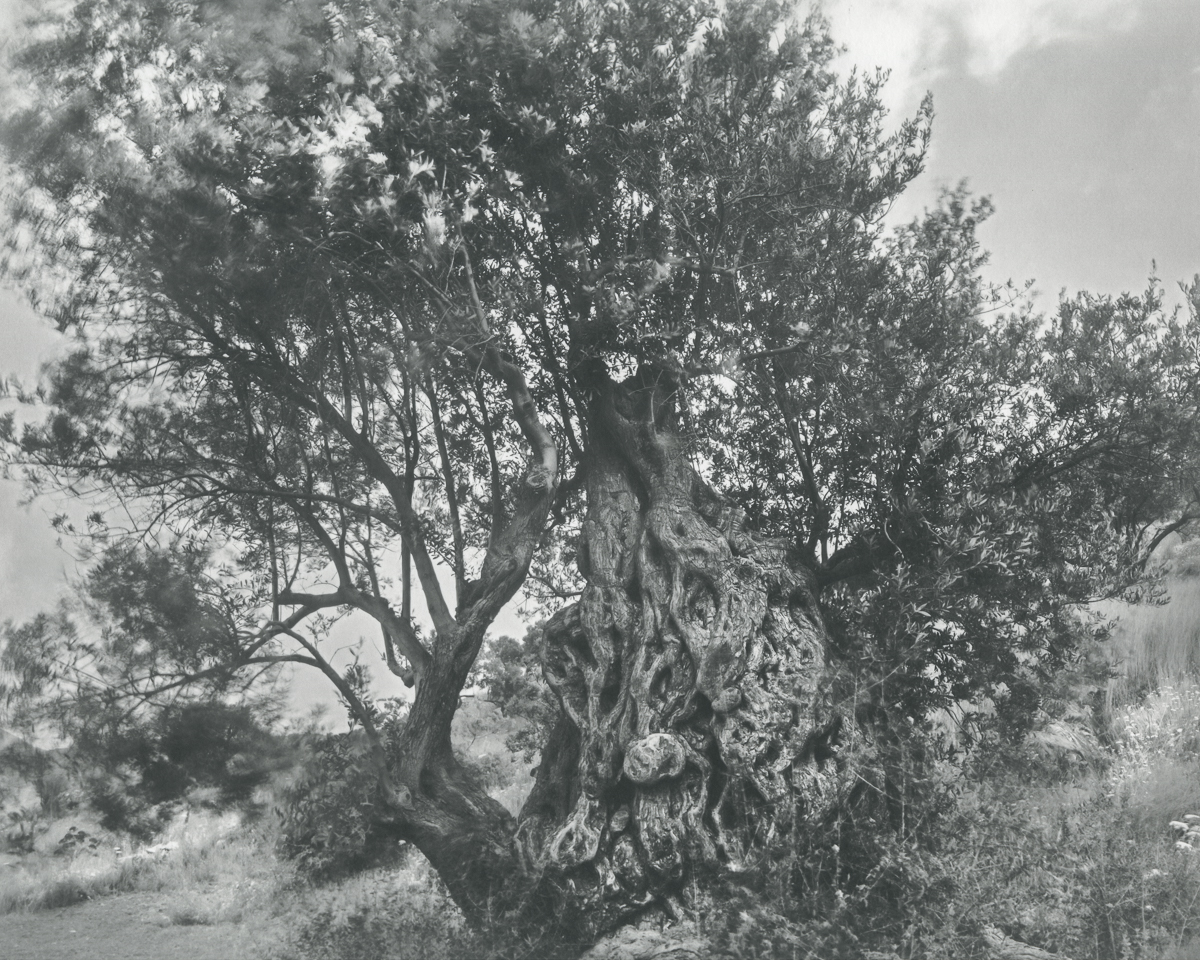
Platforms and Offerings

Stone. Fish. Obuse, Japan, 1995. platinum-palladium print. 8x10

Stone. Fish. Obuse, Japan, 1995.
platinum-palladium print from 8×10 inch negative

Platforms and gathering

Night, village square, Coyolillo, Honduras, 1995

Night, village square, Coyolillo, Honduras, 1995
platinum-palladium print from 8×10 inch negative

Platforms and Signs

if you love. Honduras. 1995. platinum-palladium print. 8x10 inch

If You Love. Honduras. 1995.
platinum-palladium print from 8×10 inch negative

Platforms and Clouds

Cloud.Stone. New Mexico, 1997.

Cloud.Stone. New Mexico, 1997
platinum-palladium print from 11×14 inch negative

Platform and Expectations

Puja Stone. Rajasthan, India, 1995. platinum-palladium print. 8x

Prayer (puja) Stone. Rajasthan, India, 1995.
platinum-palladium print. 8×10 inches

Platform and Sky

Stone. Sky. (Shiprock)

Stone. Sky. (Shiprock, NM) 1992
platinum-palladium print from 8×10 negative

Platform and Stone

Floating Stone. 1990.

Floating Stone. 1990.
platinum-palladium print from 8×10 negative

Platforms and Disappearances

Platform. Lime, Coyolillo.

Platform. Lime, Coyolillo.Honduras. 1995.
platinum-palladium print from 8×10 inch negative

Platforms and Residences

Archway. City Gate. Junagadh, Gujerat, India. 1995. Scan from 8x

Archway. City Gate. Junagadh, Gujerat, India. 1995. Scan from 8×10 negative.

In the previous post, I mentioned how reading John Berger brought me to reading Andrei Platonov’s ‘Dzahn’. I got to Berger’s profound ‘Afterword’ for the New York Review Books Classics edition via another Berger piece, Ten Dispatches about Endurance in Face of Walls from his book, Hold Everything Dear. (I have lost count of how many copies of this book I have bought and given away to friends and students.) Here’s a short excerpt:

“The poor are collectively unsuitable. They are not only the majority on the planet, they are everywhere and the smallest event speaks of them. This is why the essential activity of the rich today is the building of walls – walls of concrete, of electronic surveillance, of missile barrages, minefields, frontier controls, and opaque media screens….Platonov often used the term dushevny bednyak, which means literally ‘poor souls’. It referred to those from whom everything had been taken so that emptiness within them was immense and in that immensity only their soul was left – that’s to say their ability to feel and suffer. His stories do not add to the grief being lived, they save something.[my underscore] ’Out of our ugliness will grow the world’s heart,’ he wrote in the early 1920′s…. Platonov understood living modern poverty more deeply than any other storyteller I have come across.”

That ‘something’ is what I referred to in earlier posts as the sublime, and the ‘belief’ gene. There are some parallels here also with zen practice.

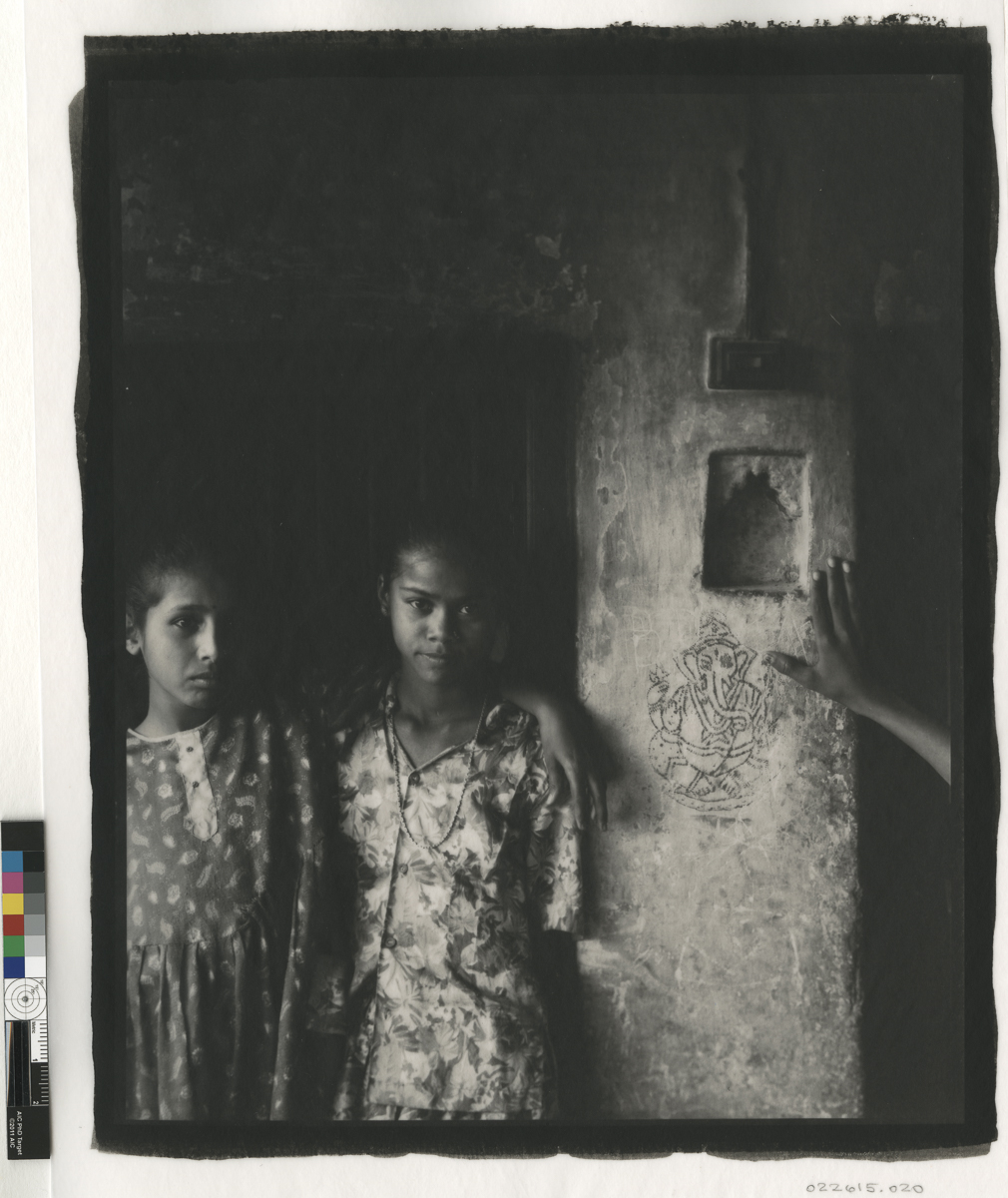
Platform – Gujerat

Platform. Gujerat, India. 1995. Platinum-palladium print. 8x10 i

Platform. Gujerat, India. 1995. Platinum-palladium print. 8×10 inches

I read Andrei Platonov’s short novel ‘Dzhan‘ last Summer, almost a year ago, and it still haunts me. The story could be considered, rightly, as one about emancipation and survival (in much the same way as with the Book of Exodus). There is more in this story, and thus the haunting. As with Exodus, Dzhan also touches on the matter of self and community, on self and space, and ultimately I believe, on self and the sublime (I am inclined to substitute this last with ‘God’).

I am not going to write an essay about Dzhan (which means ‘soul’ in an archaic form of Turkish) – I have many learned and far more eloquent friends who may add to my ramble with comments below – but I do want to the above image to be considered as a visualization of the story.

Last night, my friend Mark Preslar (who teaches Russian Studies at Sewanee, and is himself a visionary and something of a polymath) and I were talking about the limits of existing, in this case when the mind is transferred to a synthetic body, and I began to consider the slightly alarming notion that god (not God) had something to do with these limits. Is it possible that our evolutionary trajectory favored (or made us more susceptible to) ‘belief’. Belief is, after all related to social behavior and many would argue that evolution of the human gene is biased towards social survival. Extrapolating from this possibility, it does not seem too far a reach to say that any consideration of ‘self’ (including the solipsistic attitudes) then leads one to believe in greater and greater magnitudes of order of which self is one part, ultimately arriving at God. Again, as with Dzhan, I don’t want to get wrangled up in this possibility per se (I know it is rough-cut and a logical wormhole). The more interesting matter is one of evolution. What if, in order to emancipate our selves from our spaces, we need to also relinquish this social/belief/god ‘gene’? What if it is the next evolutionary jump? And that is why Dzhan haunts me – I think the story is about a profound transformation that goes beyond being and doing good and evil, or abiding by the golden rule, or behaving ethically. That transformation may be about putting god in its place, somewhere in the genetic past, obsolete. As we do with ancestral shrines.

Books:

I scrambled for Dzhan after reading John Berger’s Afterword to this edition:
Soul: And Other Stories
Andrey Platonov (Author), Robert Chandler (Translator, Introduction), Olga Meerson (Translator), John Berger (Afterword)

An excellent version of Exodus, recommended to me by another friend and great teacher, David Gutterman, is The Five Books of Moses: A Translation with Commentary by Robert Alter

Enter your email address to subscribe to this blog and receive notifications of new posts by email.

Join 43 other subscribers